2026-10-16 ·
How to Spot Hidden Smoke Damage in Cedar Glen Mountain Homes
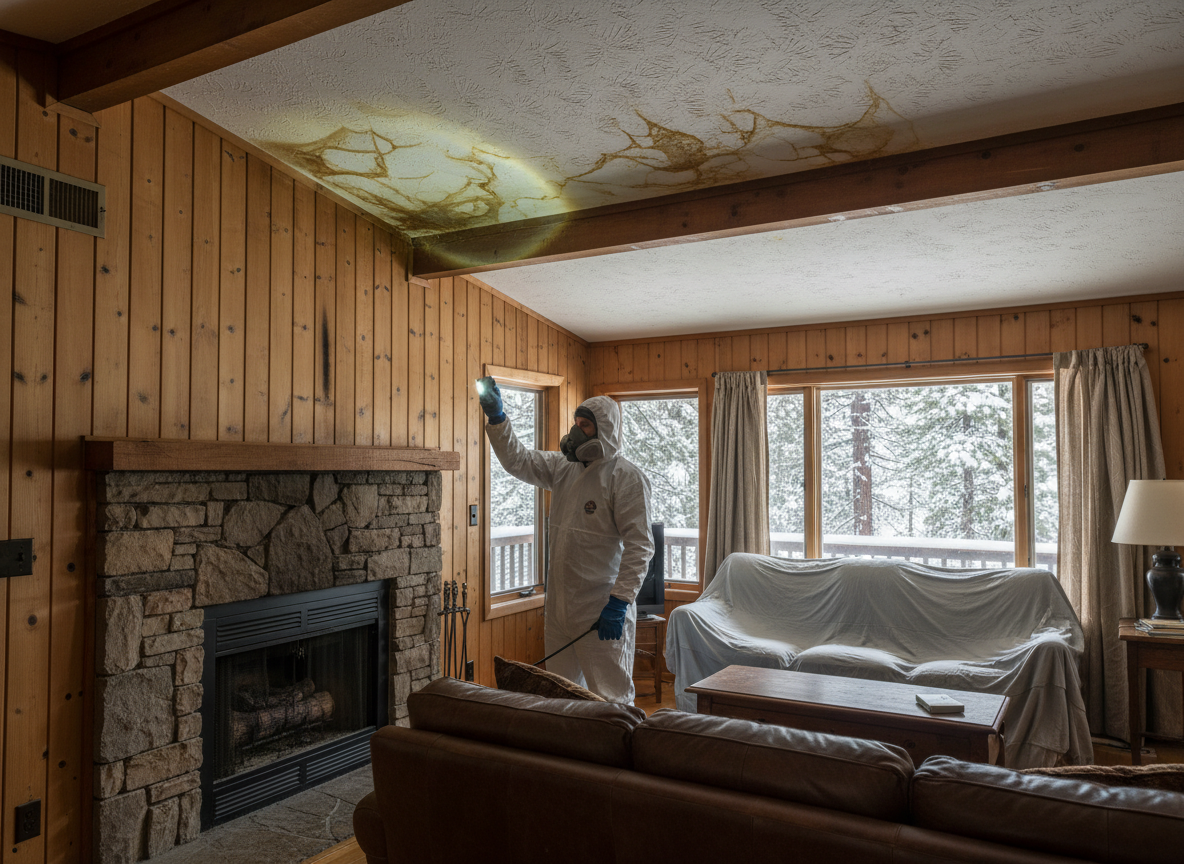
Cedar Glen mountain homes frequently hide smoke damage in attics, wall cavities, and insulation layers that stay invisible until winter cold sets in. Start by examining the attic for gray or oily residue on rafters and fiberglass batts, then test for lingering acidic smells that intensify when heating systems run. These steps reveal penetration that standard visual sweeps miss in the area's older wooden structures built before modern fire codes.
Inspecting Attics and Insulation Layers
Cedar Glen homes built decades ago often feature open truss attics where smoke travels freely during fires. Pull back insulation sections near the peak and look for soot lines along joists or discoloration on the underside of roof sheathing. Cold winters here drive residents to seal homes tightly, which traps acidic particles deeper into cellulose or fiberglass materials and accelerates corrosion on metal fasteners. Check for damp, clumpy insulation that no longer insulates properly after smoke exposure. Residue in these spaces also migrates downward through ceiling penetrations when spring warming begins. Smoke damage restoration crews routinely document these patterns in San Bernardino County properties near Lake Arrowhead.
Checking Interior Walls and Ceilings
Smoke follows electrical wiring and HVAC ducts in Cedar Glen cabins, leaving residue inside wall cavities that shows only after drywall is opened. Run a white cloth along baseboards and around outlet covers to lift faint gray streaks that indicate migration from above. In homes with textured ceilings common in the area, examine the grooves for embedded particles that standard cleaning misses. Cold winter nights cause expansion and contraction that pushes hidden soot outward onto painted surfaces. Test for pH levels above 7 on suspect areas using litmus paper, as alkaline smoke residue etches finishes over time. Soot removal requires targeted methods that differ from surface wiping in these mountain conditions.
Detecting Lingering Odors and Airflow Patterns
Persistent odors in Cedar Glen homes often originate from smoke trapped in ductwork or underfloor spaces after fires. Turn on the furnace or wood stove and note if smells intensify within minutes, signaling particles circulating through the system. Open windows on opposite sides of the house during warmer summer days to create cross-ventilation and observe whether odors return from specific rooms. The region's temperature swings between warm afternoons and freezing nights cause moisture to condense on cooled surfaces, reactivating acidic compounds left by smoke. Homes near Rimforest and Twin Peaks share similar airflow challenges due to prevailing winds off the mountains. Clearing ash and soot from homes near the San Bernardino Mountains outlines additional detection steps used by local operators.
Evaluating Long-Term Effects on Finishes and Systems
Hidden smoke damage shortens the life of electrical components and HVAC filters in Cedar Glen properties exposed to repeated winter heating cycles. Inspect furnace filters after one month of use for accelerated darkening that points to ongoing particle release. Wood trim and cabinetry near Lake Arrowhead often absorb smoke through end grains, producing a yellowing that appears months later when humidity rises. Document any corrosion on copper pipes or wiring in crawl spaces, as acidic smoke accelerates oxidation in the area's variable moisture conditions. These checks help owners understand when professional assessment becomes necessary before secondary damage appears.